
 Our storage facilities
 Useful info
 About us
 Call us
 Buy your packing supplies now
 The Mental Load of Clutter: Why Those Boxes Keep Nagging at You
2 October 2026
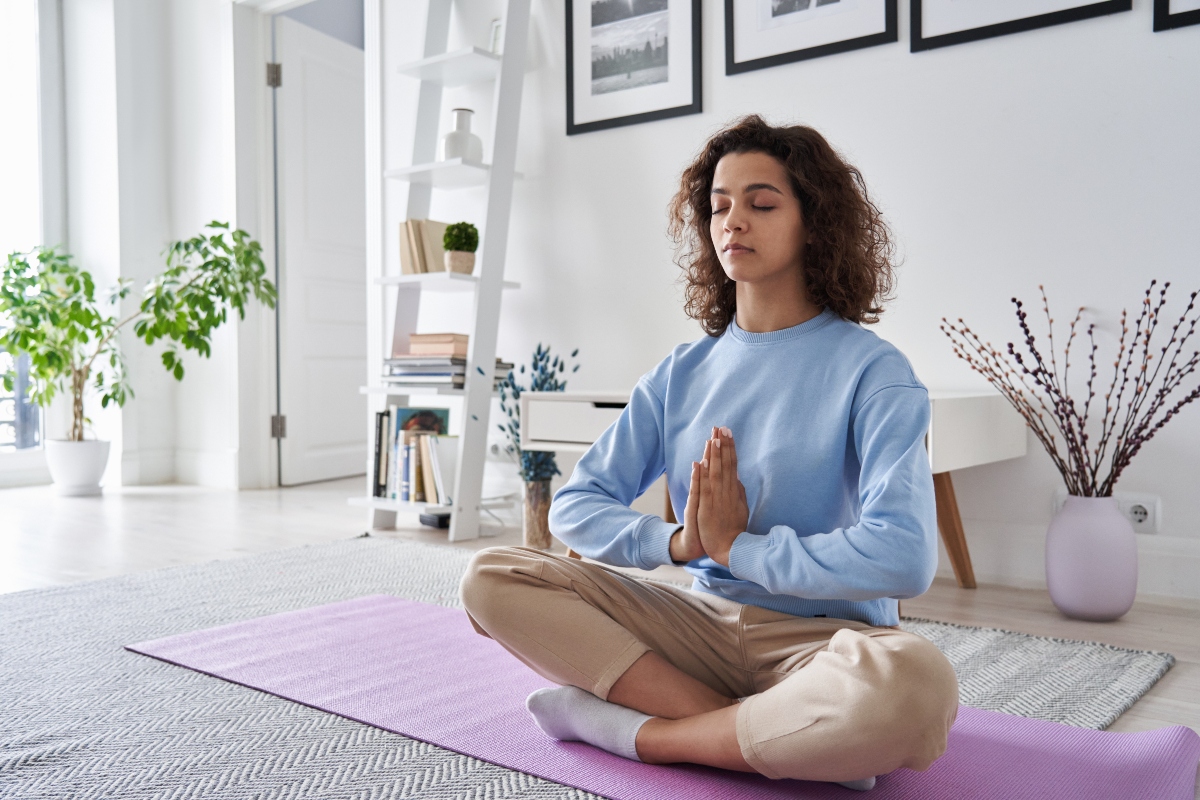
The Mental Load of Clutter: Why Those Boxes Keep Nagging at You
There is something oddly satisfying about clearing a cluttered room. You find the surface of the dining table again. The kitchen counter reappears. You finally discover where that missing charger went. And suddenly, the house feels just a little easier to live in.
With October marking *Mental Health Awareness Month in South Africa, it's a useful reminder that wellbeing isn't only about the big things. Our everyday surroundings can play a part too. While a tidy room is certainly not a treatment for anxiety, stress or other mental health challenges, **the spaces we live in can either add to the mental load - or make life feel just a little easier. **
Download our "Get More Space" guide to declutter your house in just 3 weeks
When Clutter Starts Taking Over
Clutter tends to creep in rather than arrive all at once. A few boxes in the spare room become a permanent feature. The kitchen cupboards become increasingly difficult to close. The garage slowly turns into a storage area with a car-shaped space somewhere in the middle.
Eventually, the clutter can become another thing on your mental to-do list. You may find yourself thinking:
I really need to sort that out. I should probably deal with those boxes. I'll get to the garage this weekend.
On their own, none of those thoughts is particularly dramatic. But when the same unfinished job keeps catching your eye, it can become another open loop in your head - one more thing to remember, postpone and feel mildly guilty about.
Psychologists have found that unfinished tasks are associated with thoughts continuing to return to them afterwards, particularly in the form of rumination. A 2026 meta-analysis of research into unfinished tasks found a** consistent association between things left undone and recurring thoughts about them during downtime**, with the strongest relationship seen for affective rumination.
Most of that research looks at unfinished work rather than untidy garages, but the underlying experience is familiar: every time you see something you've been putting off, you're reminded it's still there.
If you're already feeling stressed or anxious, those little reminders can become part of the background mental noise - I still need to do that... and that... and that. Sometimes clearing one manageable thing from the physical list can help make the mental list feel a little less crowded too.
Why a Clearer Space Can Feel Better
A cluttered environment can create visual distractions and make everyday tasks feel more difficult. Finding things takes longer. Cleaning becomes harder. Rooms may feel smaller than they actually are. Decluttering can help create a greater sense of order and control.
And you don't have to transform your entire home in one heroic Saturday afternoon.
In fact, that's probably a good way to end up sitting on the floor surrounded by 14 piles of belongings, wondering what went wrong.
Start Small
If the idea of decluttering your entire home feels overwhelming, start somewhere manageable.
Pick one drawer. Then one cupboard. Then perhaps one shelf. Spend 15 or 20 minutes sorting things into simple categories:
Keep. Donate. Dispose. Store.
Small victories can build momentum. Once you've cleared one space, the next one may feel considerably less intimidating.
You Don't Have to Throw Everything Away
One of the biggest misconceptions about decluttering is that you need to get rid of anything that you don’t use regularly. That's not necessarily the case. Some belongings have sentimental value. Others may be useful later but simply don't need to occupy valuable space in your home right now.
- Think about:
- Family heirlooms
- Seasonal decorations
- Sports and hobby equipment
- Extra furniture
- Business stock
These items don't have to become clutter simply because you don't use them every day.
When Self-Storage Makes Sense
Sometimes the answer isn't "get rid of it." It's "move it somewhere else."
A secure self-storage unit can give you somewhere to keep belongings that you want to hold onto without allowing them to take over your home.
Rent-A-Store offers a range of storage unit sizes at conveniently located facilities, with flexible month-to-month rentals. This means you can create additional space without making permanent decisions about belongings you're not ready to part with.
For example, clearing your spare room could give you space for a home office. Moving seasonal items out of the garage could make room for your car. Storing excess furniture could make a smaller home feel considerably more spacious.
Decluttering Isn't About Perfection
There is no prize for having the emptiest house on the street and the goal isn't to create a perfectly minimalist home. It's to create a space that works for you.
For some people, that might mean a beautifully organised home with very little clutter. For others, it might simply mean being able to find the dining table again.
And that's also okay.
If clutter is causing significant distress or affecting your daily life, decluttering alone may not solve the underlying issue. Mental health is complicated, and there's no shame in seeking professional support when you need it, but if your home has simply become a little too full, starting small can be a positive step.
Make Space to Breathe
Mental Health Awareness Month is about much more than a tidy home. But sometimes removing one small source of everyday stress is a positive place to start.
Your home should be somewhere you can relax, recharge and enjoy your life. It doesn't need to feel like a permanent storage facility.
So, start with one drawer. Then one cupboard. Then perhaps that mysterious box you've been avoiding since 2019.
And for everything you want to keep but don't necessarily need around you every day, Rent-A-Store can help you create the extra space you need.